
National Grid Gas System Performs Reliably Across Massachusetts During Prolonged Extreme Cold
Categories:
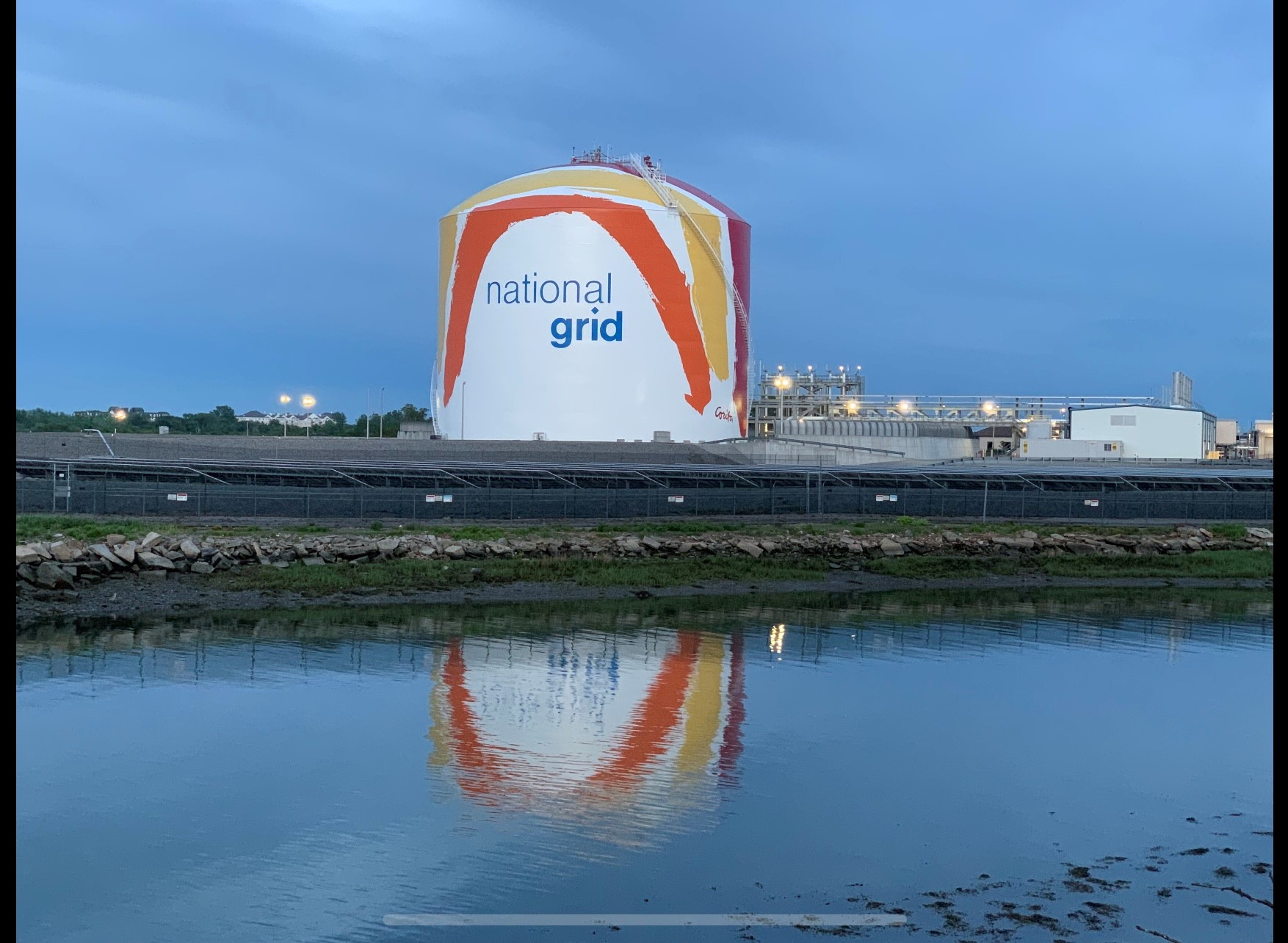
WALTHAM, MA – As Massachusetts experiences colder‑than‑normal temperatures over an extended period this winter, National Grid’s natural gas system has continued to operate safely and reliably, delivering energy to approximately 950,000 homes, businesses, hospitals, schools, and public safety buildings across the Commonwealth during one of the most demanding stretches of the season, with additional cold weather still expected as winter continues.
Sustained Cold and Elevated Demand
Through December, January, and early February, Massachusetts has experienced consistently colder conditions than normal. In Boston, average daily temperatures were approximately 4 degrees below normal in December, 2.5 degrees below normal in January, and nearly 8 degrees below normal through early February, reflecting a prolonged period of winter weather rather than a single short‑lived cold snap.
During this same period, National Grid served elevated natural gas demand across Massachusetts. A dekatherm is a standard unit of natural gas measurement equal to one million British thermal units (BTUs). Total system sendout included:
- 23.3 million dekatherms in December, approximately 16% higher than normal
- 25.8 million dekatherms in January, approximately 10% higher than normal
- 7.6 million dekatherms through early February, reflecting continued high demand as colder temperatures persisted
During sustained winter cold, a typical single‑family home can use on average 10 therms per day, according to the U.S. Energy Information Administration. The sustained cold drove elevated demand across the gas system for multiple consecutive weeks, underscoring the importance of maintaining a reliable and well‑operated natural gas network during extended winter conditions. National Grid operates more than 11,300 miles of natural gas distribution main across Massachusetts, including infrastructure serving dense urban areas, some of which are more than a century old.
“Extended periods of extreme cold drive sustained, system‑wide energy demand,” said Tim Moore, Chief Operating Officer for New England Gas, National Grid. “That’s why we invest year‑round in maintaining and upgrading our system, procuring gas thoughtfully, and preparing critical assets like LNG facilities well in advance of winter. Our crews prepared for these conditions and performed exceptionally, operating the system safely and reliably so customers across Massachusetts could stay warm during some of the coldest and most persistent winter weather we’ve seen this season.”
Liquefied Natural Gas Played a Critical Supporting Role
Liquefied Natural Gas (LNG) was a key resource in supporting Massachusetts customers throughout the cold weather period. LNG is natural gas that has been cooled into a liquid state, allowing it to be stored and used as a flexible supply source during times of peak demand.
During periods of peak winter demand in January and early February, LNG was called upon extensively across National Grid’s Massachusetts system to help meet elevated heating needs:
- On the coldest days, LNG supplied over 20% of total gas throughput serving Massachusetts
- This equates to roughly one in five homes being supported by LNG during peak demand conditions
- LNG inventories were actively managed across multiple facilities to support system reliability during the coldest periods
In total, more than 2.1 million dekatherms of LNG were delivered into the Massachusetts gas system between December and early February, with the highest utilization occurring in January as colder‑than‑normal temperatures persisted statewide. LNG tanks are filled ahead of the winter season as part of National Grid’s preparation for the coldest days, helping reduce exposure to short‑term price volatility and ensure reliability when demand peaks. LNG provides additional flexibility during periods of peak winter demand, helping ensure safe and reliable service when heating needs are highest. National Grid does not profit from the natural gas commodities it purchases on behalf of customers.
Safety and Reliability Remain the Top Priority
Despite sustained high demand and prolonged cold, National Grid’s natural gas system in Massachusetts performed safely and reliably throughout the period. To manage safety during extreme cold and snow, National Grid adjusts staffing levels by increasing the number of technicians on shift and ensuring appropriate emergency response times for gas odor and carbon monoxide calls in coordination with local fire and police departments, as well as emergency leak repairs, and the monitoring and maintenance of critical system assets. Preventative maintenance, targeted upgrades to aging infrastructure, advanced monitoring technologies, and the refurbishment and reuse of equipment all contribute to maintaining safety and controlling costs for customers.
Customer Support and Assistance
Colder‑than‑normal temperatures and higher usage may result in increased heating bills for some customers. National Grid encourages Massachusetts customers to explore available energy assistance programs, budget billing options, and payment plans to help manage winter heating costs. National Grid does not profit from the natural gas commodities it purchases on behalf of customers.
Gas Safety Reminder
National Grid reminds customers to keep areas around gas meters and appliance vents clear of snow and ice, and to ensure carbon monoxide detectors are installed and working properly. Blocked vents or damaged equipment can pose serious safety risks.
Customers who suspect a natural gas leak should leave the area immediately and call 911 and National Grid’s gas emergency number at 1‑800‑233‑5325 once they are in a safe location.
About National Grid
National Grid (NYSE: NGG) delivers electricity and natural gas to more than 20 million people across New York and Massachusetts. We’re committed to meeting our customers’ energy needs and supporting economic growth across the regions we serve—providing safe, reliable energy today and building the resilient networks of the future. National Grid Ventures, our commercial business, develops and operates infrastructure that delivers affordable and reliable energy to consumers. National Grid Partners, our corporate investment and innovation arm, invests in and collaborates with technology companies that are transforming the energy sector and accelerating industry-wide innovation.
For more information, please visit our website, follow us on X, watch us on YouTube, like us on Facebook and find us on Instagram.
Media Contacts
Related News