
National Grid Meets Record Demand for Long Island Natural Gas Customers as Arctic Blast Blankets the Northeast
Categories:
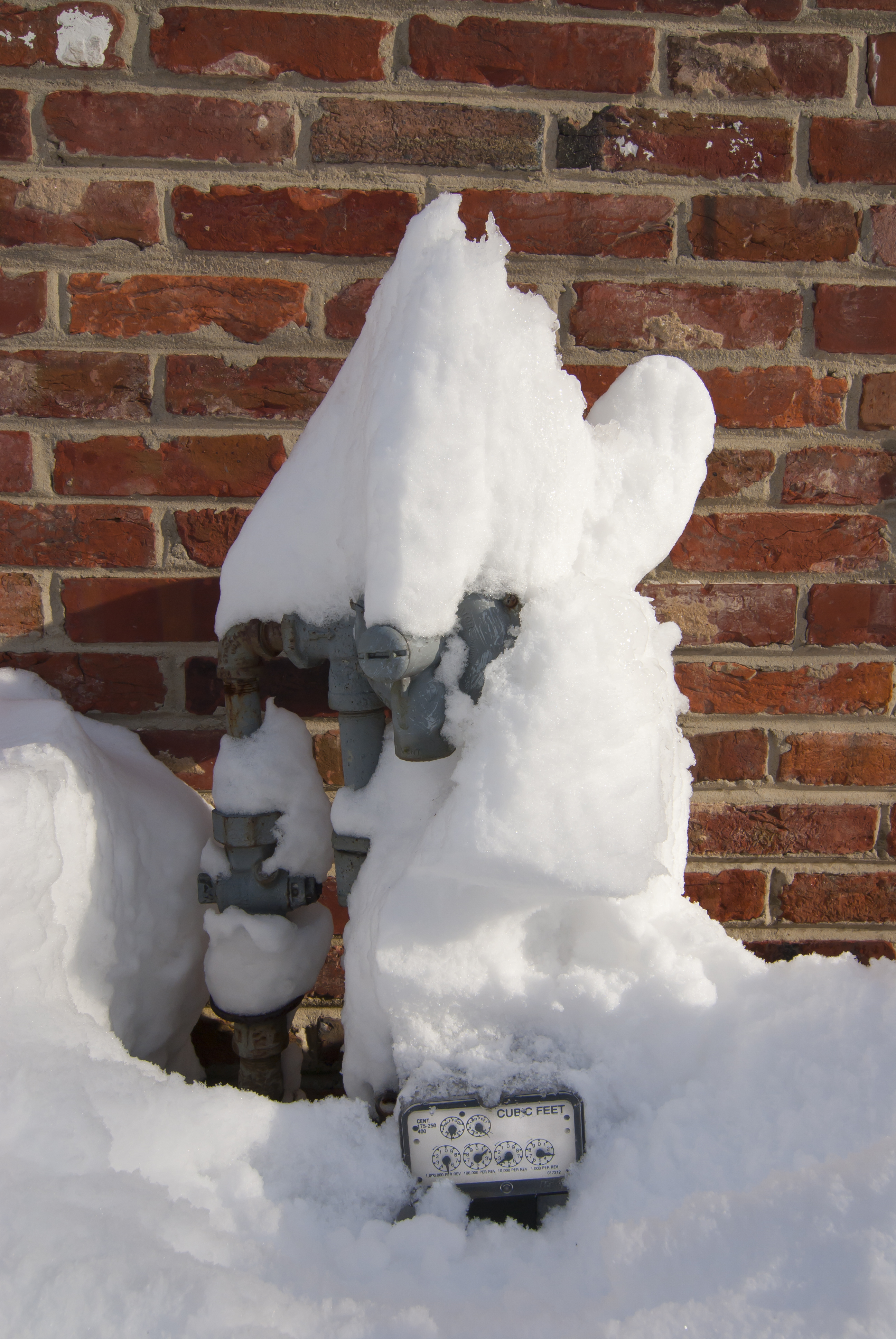
As an Arctic blast swept across the Northeast, bringing prolonged subzero temperatures and dangerously cold conditions, National Grid delivered record amounts of natural gas to its Long Island and Rockaway Peninsula customers, setting a new all-time high on February 1. In all, the top four days of gas output recorded for this service area took place between January 23rd and February 1st. The previous record had stood since January 21, 2019.
During the prolonged period of frigid temperatures that began in January 2026, National Grid hit six of the top 10 highest natural gas output days in its history on Long Island. The company’s natural gas delivery system performed very well despite the unprecedented demand and severe weather.
With another wave of bitterly cold Arctic air forecast to move through the region in the coming days, customer demand is expected to remain at or near record levels. National Grid officials report they are closely monitoring system performance, which continues to operate reliably under extreme winter conditions.
On February 1, National Grid delivered more than 1,176,448 dekatherms (Dth) of natural gas to customers on Long Island and the Rockaway Peninsula, breaking the previous record set in January 2019 by more than 60,720 Dth. Under extreme cold conditions, a typical household uses approximately 10-15 therms of natural gas per day.
“Our Long Island gas distribution system – powered by our skilled, dedicated workforce –performed extremely well under very cold and demanding circumstances,” said Sally Librera, President, National Grid New York. “Our team remains vigilant, ensuring the heat stays on for our over 600,000 customers on Long Island. Brutally cold temperatures like we have experienced this month clearly demonstrate that a firm, reliable supply of natural gas is critical to the households and businesses we serve.”
The recent extreme cold pushed customer demand to a new record on Long Island, and to near record deliveries for the company’s Brooklyn, Queens, and Staten Island service areas in New York City. National Grid does not make a profit on the volume of natural gas commodities it purchases on behalf of its customers.
Extremely cold Arctic air combined in some areas with strong winds has forecasters predicting record or near-record low temperatures across much of the Northeast through the end of the week, suggesting that customer demand for natural gas will remain high.
National Grid offers the following tips for customers to stay safe and warm:
- The buildup of ice around or over gas meters and vents for natural gas appliances could pose a serious safety risk. Ice falling from a roof can damage gas meters or service connections to customers’ homes or businesses, resulting in a gas leak.
- Ice blocking vents could cause carbon monoxide (CO) to back up into a building and result in carbon monoxide poisoning for those inside.
- National Grid recommends carbon monoxide detectors be certified by Underwriters Laboratories, and that the packaging and/or device has symbol of the letters UL in a circle. Ensure that your device is either battery-powered or has a battery backup system and test it often.
- To avoid these dangers, National Grid advises natural gas customers to closely inspect areas around and over gas meters, service hook-ups, and vents for ice that could damage equipment or prevent CO from properly venting.
- NEVER use a gas range to heat an apartment, or house. The range's oven and top burners are designed to cook food, NOT to heat a home. Prolonged use can reduce oxygen levels in the home and contribute to unusually excessive levels of CO.
Carbon Monoxide (CO)
- Carbon monoxide detectors should be installed on each floor of the structure, including the basement, and at least 15 feet away from any appliance or system that may emit carbon monoxide.
- The symptoms of carbon monoxide poisoning are similar to those of the flu. Depending upon the amount of carbon monoxide in the air and length of exposure, symptoms may include headaches, weakness, confusion, chest tightness, skin redness, dizziness, nausea, sleepiness, fluttering of the heart or loss of muscle control.
- If you suspect carbon monoxide is present in your home, go outside immediately and breathe deeply; then call 911. If symptoms are severe, get medical attention right away.
Natural Gas
- National Grid advises that you take immediate action anytime you suspect a natural gas leak:
- Get out – All occupants should leave the house immediately. Do not use the telephone, light switches, or automatic garage door opening for any reason. Immediately evacuate everyone outside, breathe fresh air deeply, and call 911.
- Call us – After leaving the house and reaching a safe environment, call National Grid’s 24-hour gas emergency number for Long Island and the Rockaway Peninsula at 800-490-0045 or for Brooklyn/Queens/Staten Island, call 718-643-4050
- Stay out – Don’t return to your home until National Grid tells you it is safe to do so.
- If energy equipment is located near your driveway or parking lot, and you have a vehicle-mounted snowplow or use a snow removal service, ensure that the equipment is well-marked, so the vehicle operator knows to keep a safe distance. Striking a natural gas riser with a plow could cause injury and result in repair expenses.
National Grid provides information on billing assistance programs to customers as well, including:
- Project Warmth: Administered by United Way of Long Island supported by National Grid, provides heating grants to customers who are below 60% of area median income, proof of income is required, a HEAP denial is required for new clients. Assistance caps per household are as follows: Oil, Gas or Electric Heat $500, Fuel-related Electricity $200. No second benefits or credits will be issued this season.
- Hope & Warmth: Administered by National Grid through HeartShare Human Services, provides heating grants to customers between 60% and 100% of area median income who have an account balance greater than $1. Grants include $500 for heating accounts and $100 for hot water/cooking only account. Opening February 9, 2026.
- Energy Affordability Program – Monthly bill credit for customers that fall within HEAP income guidelines. Customers who receive HEAP are automatically enrolled, but customers can also self-certify with one of fifteen different qualifying programs. Credits for customers in Long Island range from $3 for non-heating customers, $63.76 for heating customers in Tier 1 and up to $116.14 for heating customers in Tier 4.
- Enhanced Energy Affordability Program – Monthly bill credit for customers that fall between 60% area median income and 100% area median income in Long Island. Customers between 60%-80% area median income will receive a $3 credit and customers between 80%-100% area median income will receive a $1 credit. Customers who are below 60% area median income but do not qualify for HEAP can also apply and receive the $63.76 credit.
- EmPower+ – Residential weatherization program administered by NYSERDA for customers below 80% state or area median income whichever is higher. Customers can receive a no-cost home energy assessment to pinpoint where energy and dollars are being wasted, no-cost direct install improvements identified during the assessment and funding toward the cost of energy efficiency improvements.
About National Grid
National Grid (NYSE: NGG) delivers electricity and natural gas to more than 20 million people across New York and Massachusetts. We’re committed to meeting our customers’ energy needs and supporting economic growth across the regions we serve—providing safe, reliable energy today and building the resilient networks of the future. National Grid Ventures, our commercial business, develops and operates infrastructure that delivers affordable and reliable energy to consumers. National Grid Partners, our corporate investment and innovation arm, invests in and collaborates with technology companies that are transforming the energy sector and accelerating industry-wide innovation.
For more information, please visit our website, follow us on X, watch us on YouTube, like us on Facebook and find us on Instagram.
Media Contacts
Related News