
National Grid Offers Safety Tips to Reduce Your Risk of Carbon Monoxide Poisoning
Categories:
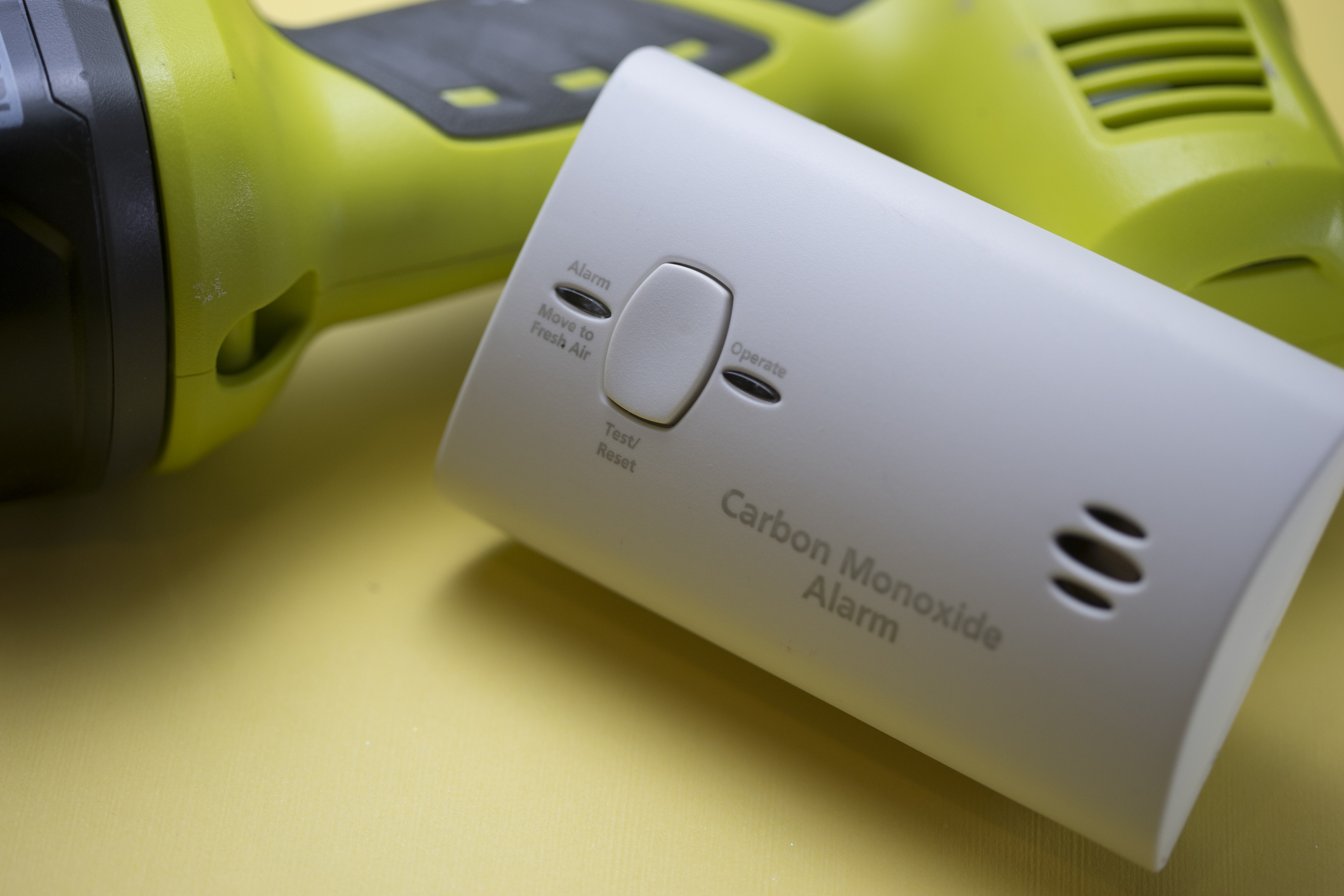
Often called a “Silent Killer,” carbon monoxide is a highly poisonous gas that is colorless, odorless, tasteless, and virtually impossible to recognize without a properly installed and functioning detector.
Carbon monoxide is often associated with cold-weather months, as it is a normal by-product of fuel or wood burning, but carbon monoxide poisoning is a year-round concern. Appliances malfunction and improper ventilation can back up during any season.
Signs and symptoms of carbon monoxide exposure mimic the flu, including dizziness, headaches, weakness, sleepiness, nausea, fluttering of the heart, shortness of breath, confusion, loss of muscle control, and loss of consciousness.
If you suspect carbon monoxide is present in your home or business, or your carbon monoxide detector alarm sounds, immediately evacuate everyone outside, breathe fresh air deeply, and call 911.
New York State requires carbon monoxide alarms in all residences including single- and multiple-family homes, and in multiple-unit dwellings such as hotels and motels, boarding houses, apartment buildings, fraternity and sorority buildings, and school dormitories. Restaurants and commercial buildings must also have carbon monoxide detectors installed. Also, any structure with an attached garage or that has appliances or systems that may emit carbon monoxide are required to have carbon monoxide detectors.
These devices trigger an alarm whenever they detect an unsafe level of carbon monoxide in a structure. Detectors should be installed on each floor of the structure, including the basement, and at least 15 feet away from any appliance or system that may emit carbon monoxide.
Carbon Monoxide Detector Tips
- Select an approved device. National Grid recommends that your carbon monoxide detector be certified by Underwriters Laboratories and that the packaging and/or device has symbol of the letters UL in a circle. Also ensure that your device is either battery-powered or has a battery backup system.
- Test your alarm frequently. Carbon monoxide detectors will include detailed information about how to test your device. Complete this test at least twice per year, when clocks are adjusted for daylight savings time, and as often as monthly. Replace dead batteries when necessary.
- Monitor the expiration date. The detection system in each device expires after several years. Monitor the expiration date listed on the device and replace the alarm as soon as necessary.
Prevent Carbon Monoxide Emergencies at Your Home and Business
- Clear snow buildup from around exhaust vents for your gas- or wood-fueled heat source, gas dryer or gas range. Also, don’t pile snow in front of vents when shoveling or plowing your driveway or sidewalks. Plugged vent pipes can cause a backup of carbon monoxide, a byproduct of burning natural gas.
- Extinguish your fireplace before going to bed, whether it’s natural gas or wood-fired, before going to bed.
- Avoid hazards when heating your home such as using a stove or oven as a heat source, regardless of whether it’s fueled by electric or gas. In addition to presenting safety and burn dangers, it can cause a buildup of carbon monoxide in the kitchen.
- Keep your generator outside if the power goes out. Gas-fueled generators should be at least 25 feet from your structure on a flat surface to prevent carbon monoxide in the exhaust from entering the home or business. Never use a generator indoors or in a garage, even if the doors are open.
- Never warm up your vehicle while parked in your garage, as you cannot guarantee that the exhaust is vented safely. Your garage can trap car exhaust, or the exhaust of gasoline-fueled equipment or tools, even with the door open. Poorly-sealed or open doorways could allow carbon monoxide to enter your home.
- Grilling belongs outside. Never use gas or charcoal grills or smokers or electric-powered pellet grills in an enclosed space. Smoke and other fumes must vent freely to prevent the risk of carbon monoxide buildup.
- Have your heating systems serviced annually. Annual maintenance of your chimney, gas fireplace, furnace, boiler, wood-burning stove and/or other heat sources can reduce your risk of carbon monoxide poisoning. Qualified professionals will test your ventilation and ensure your heating source does not leak carbon monoxide. If using non-electric space heaters, ensure they are in good condition and used in compliance with the manufacturer's instructions.
If you suspect carbon monoxide is present in your home or business, or your carbon monoxide detector alarm sounds, immediately evacuate everyone outside, breathe fresh air deeply, and call 911.
For additional information, visit these resources from National Grid:
About National Grid
National Grid (NYSE: NGG) delivers electricity and natural gas to more than 20 million people across New York and Massachusetts. We’re committed to meeting our customers’ energy needs and supporting economic growth across the regions we serve—providing safe, reliable energy today and building the resilient networks of the future. National Grid Ventures, our commercial business, develops and operates infrastructure that delivers affordable and reliable energy to consumers. National Grid Partners, our corporate investment and innovation arm, invests in and collaborates with technology companies that are transforming the energy sector and accelerating industry-wide innovation.
For more information, please visit our website, follow us on X, watch us on YouTube, like us on Facebook and find us on Instagram.
Media Contacts
Related News